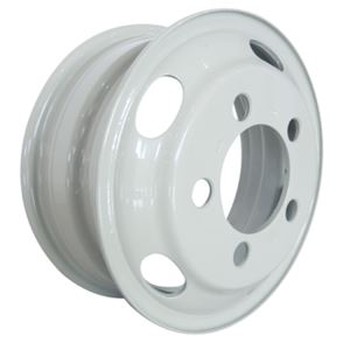
Alloy Wheels
Product Details
We are the world's leading supplier of tires and wheels, founded in 2002. After 17 years of development, the company has extensive influence in the tire and wheel industry. We are committed to manufacturing high-quality tires and wheels that bring safety to every customer's car.
Rich Product Range
Our company can produce truck tires, car tires, industrial tires, OTR tires, steel wheels, aluminum wheels, mining tires, alloy wheels, truck rims, radial truck tires and more.
Quality Guaranteed
The product technical indicators have reached the standards of the U.S. Department of Transportation (DOT) and the Economic Commission for Europe (ECE), passed ISO/TS 16949 certification, and passed ISO9001 quality management system and ISO14000 environmental system certification.
Advanced Production Equipment
Our company has introduced CNC spinning machines from German LEIFELD and SSB companies, Italian IMT CNC machining centers, and Spanish AUTOPULIT polishing machines; we have also introduced automatic testing equipment from the American BTI company, and introduced 5 highly automated production lines, equipped with more than 120 advanced equipment Taiwan sets, more than 50 robots.
Leading Service
We have many years of industry experience and a complete production management, quality supervision, sales service operation system. Whether you're looking to purchase truck tires or industrial tires, just email your requirements and we can customize the product for you.
Related Product Introduction

Alloy wheels are automotive wheels made from a combination of metals, most commonly aluminum, magnesium, or both, mixed with small amounts of other elements such as silicon, manganese, copper, zinc, or nickel. The alloying process enhances certain properties of the metal, such as its strength, corrosion resistance, and heat dissipation capabilities, making alloy wheels desirable for use in automotive applications.
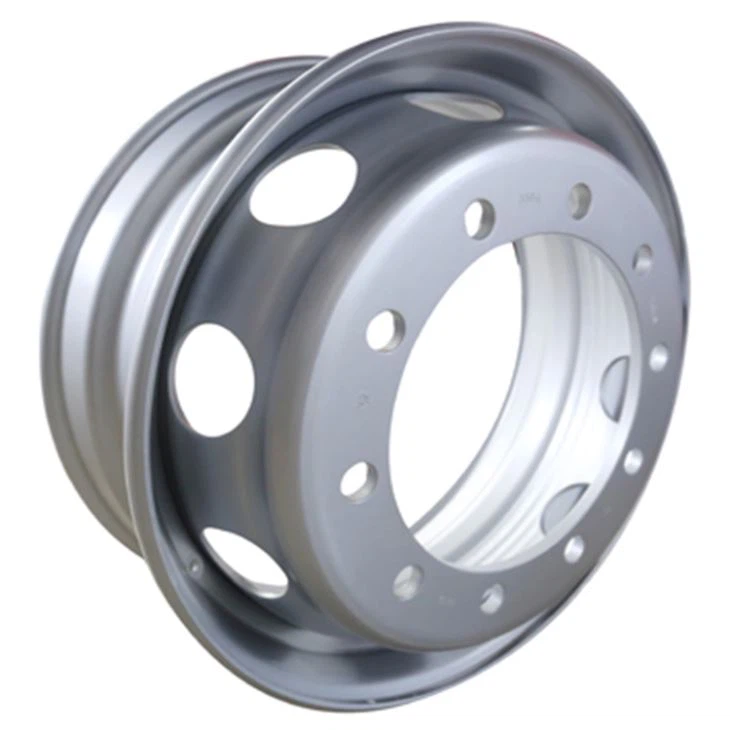
Steel wheels are a type of vehicle wheel made from steel. They are known for their durability, strength, and ability to withstand harsh road conditions, extreme temperatures, and heavy loads. Steel wheels are typically less expensive than aluminum alloy wheels and are often chosen for their lower cost and longer lifespan. However, they are generally heavier than aluminum wheels, which can negatively impact fuel efficiency and vehicle performance. Steel wheels are commonly used on commercial trucks, agricultural equipment, and some passenger cars, especially those that require a sturdy and reliable wheel option.

Truck rims are the outer circular parts of wheels that hold the tire in place. In the context of trucks, rims are typically larger and stronger than those found on passenger vehicles to accommodate the increased weight and demands placed upon them. They are crucial components that contribute to the overall performance, durability, and safety of the truck.

Steel truck wheels are a critical component of heavy-duty vehicles, designed to support the weight and demands of commercial trucks. They consist of steel rims with either pneumatic tires or solid rubber tires attached. Steel wheels are known for their durability, strength, and ability to withstand harsh road conditions, extreme temperatures, and heavy loads.
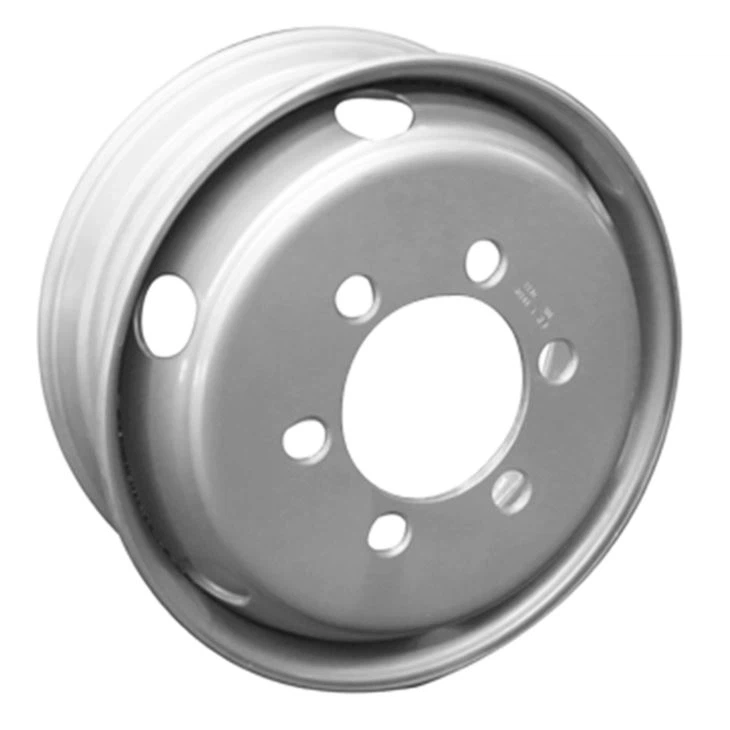
Truck wheels are the circular components on which the tires of a truck are mounted. These wheels are engineered to support the weight of the truck and its cargo, endure various road conditions, and provide traction. There are different types of truck wheels, which can be classified based on material, design, and application.

Forged truck wheel enjoy the Stronger hardness
Standardized wheels valve
Bright machined finish is available
A forged truck wheel is a type of wheel that is manufactured using a process called forging. This process involves shaping metal into a desired form under high pressure and temperature. The primary purpose of forging is to enhance the strength and durability of the material by realigning its internal grain structure.
Features of Forged Truck Wheel
Stronger and Durable
Forging creates a wheel that has a dense and homogenous structure, which makes it stronger than ones produced through other manufacturing processes. That means that forged truck wheels can handle more pressure and stress, making them more durable and long-lasting. Trucks carrying heavy loads or traversing rough terrain can greatly benefit from the strength and durability of forged wheels.
Increased Safety
Truck wheels that are forged undergo a strict quality control process, ensuring that they are free from any imperfections or defects. This increases their reliability and decreases the likelihood of accidents caused by wheel failure. Forging also reduces the risk of crack propagation, making the wheels more reliable and safer to use.
Improved Performance
Forged truck wheels have a superior surface finish compared to those produced through other manufacturing processes. This results in better performance, smoother operation, and less wear and tear on the wheels. In addition, the denser material of forged wheels results in better heat dissipation, further improving performance and extending their lifetime.
Cost-Effective
Although forging is an expensive process, the resulting products are cost-effective due to the increased lifespan and decreased maintenance costs. The durability and reliability of forged truck wheels mean that they need to be replaced less frequently, reducing overall costs. In the long run, this can be a significant cost-saving factor for trucking companies that rely on their vehicles to be in top condition at all times.
Types of Forged Truck Wheel
These wheels are made from a single piece of metal that is forged into shape. They are extremely strong and durable but can be heavy and are often more expensive due to the complexity of the manufacturing process.
Two-piece forged wheels consist of a rim section and a center section that are forged separately and then bolted together. This design allows for a lighter wheel while still maintaining high levels of strength and durability. It also provides greater customization options in terms of size, offset, and bolt pattern.
Three-piece forged wheels are similar to two-piece wheels but include an additional layer or ring that is sandwiched between the rim and center sections. This design further enhances the strength and rigidity of the wheel while allowing for even greater customization options. However, three-piece wheels are typically the heaviest and most expensive type of forged wheel.
Monoblock forged wheels are made from a single piece of metal that is forged into shape, just like single-piece wheels. However, monoblock wheels are usually lighter and offer better performance due to advanced forging techniques and materials. They are also more expensive and less common than other types of forged wheels.
Rotary forged wheels are made using a specialized forging process that involves spinning the metal at high speeds while applying pressure. This process creates a unique grain structure that results in a stronger and lighter wheel. Rotary forged wheels are becoming increasingly popular in the truck wheel market due to their combination of performance and durability.
How to Choose Forged Truck Wheel
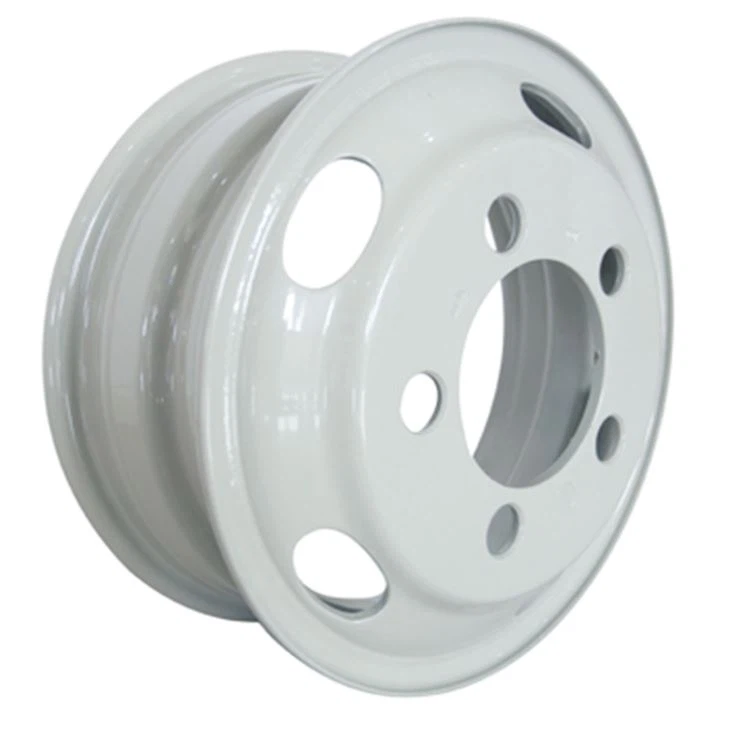

Compatibility With Your Vehicle
Check the bolt pattern, center bore diameter, and offset of the wheels to ensure they match your truck's specifications. Incorrect measurements can lead to installation issues or damage to your vehicle.
Load Rating and Size
Determine the maximum load rating required for your truck based on its gross vehicle weight rating (GVWR) and the type of cargo you typically carry. Choose a wheel size that complements the overall aesthetics of your truck while staying within the recommended tire dimensions.
Durability and Strength
Forged wheels are known for their durability, but different forging processes and materials can affect a wheel's strength. Look for wheels with high-quality materials and robust construction, especially if you frequently drive off-road or carry heavy loads.
Weight
While forged wheels are generally stronger than cast wheels, they can also be heavier. Consider the impact of wheel weight on fuel efficiency and vehicle performance. Lighter wheels can improve acceleration and braking but may come at a higher cost.
Finish and Appearance
The wheel's finish should align with your personal taste and the style of your truck. Common finishes include polished, painted, machined, or powder-coated. Some finishes may require more maintenance than others to keep them looking new.
Budget
Forged wheels are typically more expensive than cast wheels due to the complex manufacturing process. Set a budget that reflects what you are willing to spend while considering the long-term benefits of forged wheels, such as durability and potential resale value.
Customization Options
If you're looking for a unique look, check if the manufacturer offers customization services. This could include special finishes, custom logos, or specific fitments.
How to Maintain Forged Truck Wheel
Clean Regularly
Wash your wheels with soapy water and a soft brush after every muddy or dirty trip. This helps prevent the buildup of brake dust, road grime, and corrosive elements that can damage the wheel's finish. Rinse thoroughly and dry with a clean towel.
Use the Right Cleaning Products
Avoid harsh chemicals and abrasive cleaners that can strip the protective coating or finish off your wheels. Instead, opt for a dedicated wheel cleaner designed for the specific finish of your wheels.
Inspect For Damage
Periodically inspect your wheels for cracks, dents, or any signs of damage. Forged wheels are very strong, but they're not indestructible. Any damage should be assessed by a professional to determine if repair or replacement is necessary.
Protect the Finish
Apply a wheel sealant or wax to create a barrier against the elements and help repel dirt and moisture. This can make cleaning easier and provide a longer-lasting finish.
Check Tire Pressure Regularly
Proper tire inflation is vital for the health of your wheels. Under-inflated tires can cause uneven wear and excessive heat, which can weaken the wheel over time.
Avoid Curbs and Potholes
While forged wheels are sturdy, hitting curbs or potholes can cause bends or cracks that might not be immediately visible. Drive cautiously and try to avoid obstacles that can damage your wheels.
Balancing and Alignment
Have your wheels balanced and aligned regularly according to the manufacturer's recommendations. This helps prevent premature tire wear and ensures your vehicle handles safely.
Torque the Lug Nuts
After installation, always double-check that the lug nuts are torqued to the proper specifications. Improperly tightened lug nuts can lead to wheel loosening, which can have serious consequences.
Store Properly
When not in use, store your wheels in a cool, dry place away from direct sunlight and extreme temperatures. Cover them with a wheel cover or place them on a wheel stand to prevent flat spots.
Frequently Asked Questions
Hot Tags: alloy wheels, China alloy wheels manufacturers, suppliers, factory, tyre rim, alloy wheel putty, Radial Tyre, 15x7 6 lug aluminum wheels, aluminum boat rims, road and off road tires