

Winter Tyres
Product Details
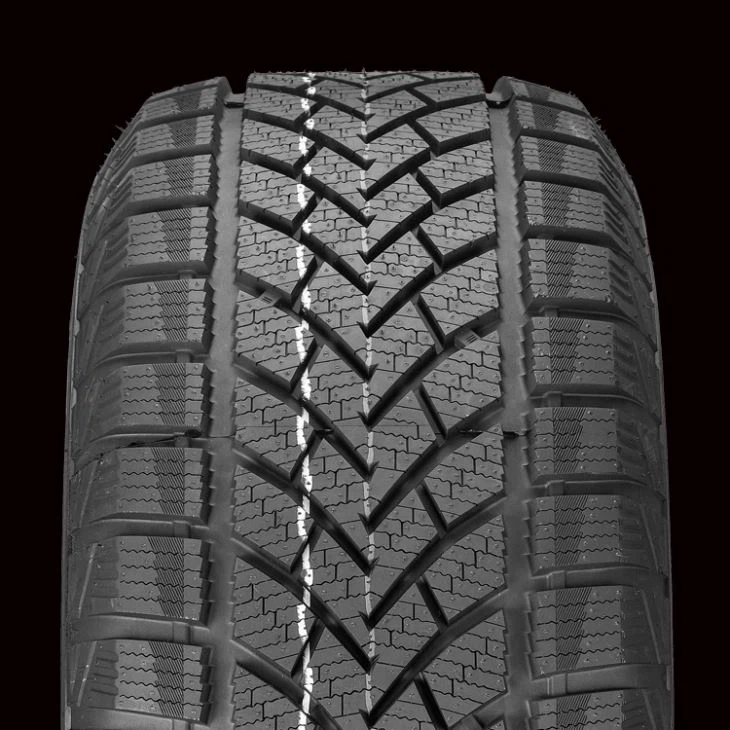
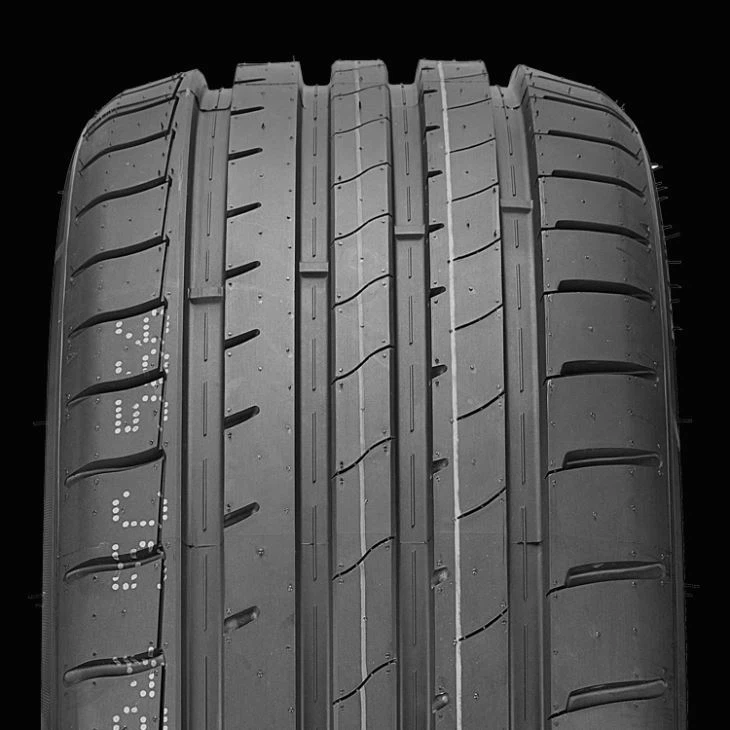
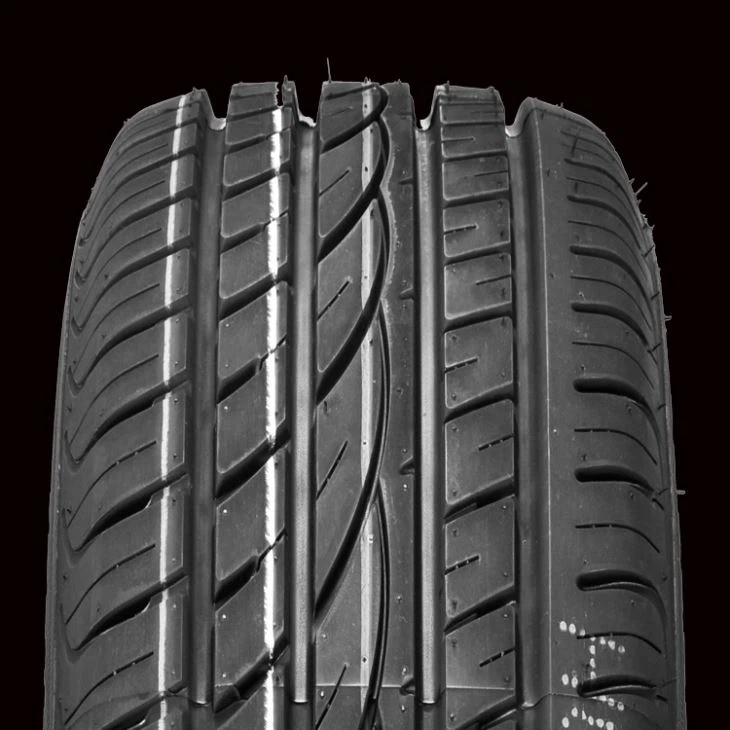
Winter tyres, also known as snow tyres, are specially designed tyres that provide enhanced traction, handling, and safety in cold weather conditions, particularly on snow and ice-covered roads. These tyres are made from a softer rubber compound that remains flexible at lower temperatures, allowing for better grip compared to standard all-season or summer tyres. Additionally, winter tyres feature deeper treads and unique patterns that help channel snow and slush away from the contact surface, improving traction and reducing the risk of hydroplaning. The tread design often includes small slits, known as sipes, which create additional biting edges for improved grip on icy surfaces. Using winter tyres is crucial in regions that experience harsh winter conditions, as they significantly enhance vehicle performance and safety during the colder months.
Advantages of Winter Tyres
Specialty compounds
At about 7 c and below, the rubber in all-season and summer tires begin to harden, drastically reducing their ability to safely grip the road. Winter-specific tires are formulated to continue to provide flexibility, even in sub-zero environments dipping as low as -30 c.
Superior traction
Winter tires feature deeper and more prevalent siping, or thin slits cut horizontally across the tread, designed to create more movement and essentially "bite" onto ice as well as any snow that may be clinging to the road. A more aggressive tread pattern also reduces the chance of snow build-up.
Better braking
In panic situations, drivers sometimes have the tendency to stomp on the brake pedal. This can especially be a problem with stiff, season-inappropriate tires likely to respond by skidding over a cold, slippery surface. Proper winter tires stay soft and have a better chance of helping the vehicle regain composure. In fact, reports show the stopping distance for the latter can be up to 30 per cent better.
Hydroplane resistance
As tires roll over frozen pavement the ice beneath melts, which creates a layer of water a car can potentially slide uncontrollably over. Winter tires reduce this unpleasant phenomenon, known as hydroplaning, through the use of specialty grooves that push the water off to the side.
Snow manoeuvrability
During the times the white stuff does fall, winter tires are typically offered in skinnier sizing compared to oem. The narrower width increases the pounds per square inch of pressure exerted, resulting in the tires having an easier time cutting through snow rather than floating overtop of it.
Related Product




Our factory
Coman is a world-leading tire and wheel supplier, founded in 2002. After 17 years of development, it has nearly 1,100 patents and 1,800 employees.
Advanced equipment
The company has introduced the world's advanced production technology, and all equipment is purchased from international first-class industry manufacturers: Using automatic testing equipment from bti of the united states, and introducing 5 highly automated production lines, equipped with more than 120 advanced equipment, more than 50 manipulators, and an annual output of 3 million pieces.
Our certificates
Currently, the product technical indicators have reached the standards of the us department of transportation (dot) and the economic commission for europe (ece), obtained iso/ts 16949 certification, and passed iso9001 quality management system certification and iso14000 environmental system certification.
Production market
Our products have been sold to more than 70 countries and regions, and 200 containers are shipped to all parts of the world every day.Anti-virus masks
Before you have winter tyres fitted, you should take a note of the quality of the tyres. Specifically, you should pay special attention to the tread depth. While the legal minimum depth is 1.6 mm, we recommend ensuring winter tyres have 4 mm or more. This helps ensure some of the most vital properties, such as grip, braking distances and protection from aquaplaning.
Similarly, you should also check that neither the treads or sidewalls are not cracked or damaged. Any damage here can get worse on the roads, so don't fit weakened or damaged tyres to your car.
Likewise, if you store tyres in a garage, you should have them balanced as well. If they are not balanced correctly, this could have a negative influence on the car's suspension system, which could result in sideways movements, as well as causing uneven wear across the tyre set.
Finally, when it comes to these checks, make sure to check the tyre pressure. Tyres can lose pressure naturally, so they will not be at the same level as they were last year. Of course, adjusting the pressure here will also highlight any leaks that might have gone unnoticed.
Types of Winter Tyres
Winter tyres
Winter tyres are ideal for use in moderate to cold weather as they are designed to maintain their performance in low temperatures. In comparison to regular summer tyres, they provide better grip and shorter braking times in wet, snowy, and icy conditions. Therefore, it is recommended to use winter tyres during such weather conditions for optimal performance and safety.
Studded tyres
A studded tyre is a type of winter tyre with small metal studs embedded into the tread. These studs are made from a hard metal designed to improve your traction on icy or very slippery roads. The metal studs stick out of the tyre, embedding into the road as you drive.
All-season tyres
While all-season tyres aren't necessarily winter tyres, they offer similar advantages by blending features from both winter and conventional summer tyres. This creates a tyre that meets all legal requirements for winter conditions, ensuring consistency in safety, traction, and control throughout the year.
All-terrain tyres
While not specially designed with winter in mind, it is becoming increasingly common for all-terrain tyres to be 3pmsf certified, making them legal for winter driving. This means they have been tested and approved by the eu for use in the same conditions as a standard winter or all-season tyre.
How Do I Care for My Winter Tires
If you decide to purchase a pair of winter tires, it's critical that you understand when to install them and how to keep them in between seasons to ensure that they last as long as possible and really aid in stopping your car rather than just making it harder.
Should your car be equipped with snow chains? First off, snow chains are much less expensive than snow tires, which for some people may be enough to tip the scales in their favor.
In addition, snow chains offer the best traction on ice, packed snow, and thick snow. In really deep snow, snow chains perform better than snow tires.
Chains also have the fantastic attribute of being simple to put on and take off by yourself. This makes them a wonderful choice if you just occasionally travel in bad weather and don't generally need cold weather traction.
Which are better: Snow tires vs. chains? Snow tires and chains both perform better in certain conditions, therefore there isn't a clear victor in this comparison. Winter tires work best on mild snowfalls, whereas snow chains typically operate better on ice and in deep snow.
Consider purchasing a set of winter tires if you live somewhere with severe winters and a lot of snowfall.
While it may seem cost-effective to keep your winter tires on all year, it's crucial to take them off once winter is over. Winter tires aren't intended for use in warmer climates, and Consumer Reports testing has revealed that not only will they quickly wear out, but they will also have a greater stopping distance and less maneuverability.
It is easier to store your tires without damaging them when you have two sets of wheels. Both sets of wheels and tires should be kept indoors, preferably at room temperature, and out of direct sunlight while not in use.
7 Reasons to Consider Winter Tyres
Winter tyres are not snow tyres
One of the most common reasons we hear as to why winter tyres aren't needed in the uk is because we don't get enough snow. Winter tyres are designed to be more effective than regular tyres in any temperature under 7c (44f) on any type of road. Cold weather tyres are designed with a larger percentage of natural rubber and silica in the compound which doesn't harden up as much as synthetic rubber in cold conditions.
Winter tyres really work
Tirerack tested the bridgestone blizzak ws60 winter tyre against the bridgestone re050a ultra high performance summer tyre in icy conditions. From just 10mph the winter tyre stopped in 6.4 metres, while the summer tyre needed more than twice the distance to stop at over 14 metres. Imagine the difference from 30 mph.
Winter tyres could save you money
Modern cars have big alloys and expensive wide low profile tyres. Once the small outlay of a set of steel rims has been made, winter tyres are often cheaper because of their smaller size. While you're driving on winter tyres, your not wearing out your expensive summer tyres, thus saving you money.
Abs doesn't stop your car any quicker
Another false-truth we hear a lot is winter tyres aren't needed thanks to abs. Abs was designed to allow steering control to be retained while in an emergency situation and will not stop you any quicker in low grip situations.
Winter tyres are as comfortable as summer tyres
Yet another myth is a loss of ride comfort, or extra noise thanks to winter tyres. The truth is modern winter tyres are as every bit as comfortable as summer tyres, sometimes more so thanks to an increased profile.
Avoiding other people on the road
The number of accidents caused by wet conditions increases in winter by 267%. Give yourself a chance of avoiding someone else's incident by fitting winter tyres.
Cars have changed
It's no secret modern cars have gained a little weight, in fact a mk5 golf is almost twice the weight of a mk1 golf. With all that extra weight comes added inertia when trying to change directions or slow down, which gives the tyres much more work to do. To compound the problem many more cars are coming with overly wide sports tyres which have even less chance of slowing the big heavy car.
Mounting Winter Tires for Winter Performance & Safety
Proper preparation is the key to successful tire mounting. Here's what you need to do:
Gather tools: You'll need a few tools, including a jack, lug wrench, torque wrench, and wheel chocks.
Choose a secure location: Find a flat, stable surface to remove your all-season tires. Ensure your vehicle is in park or gear and the parking brake is engaged.
Loosen lug nuts: Before jacking up your vehicle, slightly loosen the lug nuts on the wheels. This will make it easier to unscrew them once the vehicle is lifted off the ground.
Check your vehicle owner's manual for the correct jacking points and follow the manufacturer's guidelines for proper lifting. Then, place wheel chocks on the opposite wheels to prevent the vehicle from rolling.
Carefully jack up the vehicle until the all-season tire you want to remove is off the ground. Make sure the vehicle is stable and secure before proceeding.
Now it's time to remove the old all-season tire.
Completely remove the previously loosened lug nuts and take off the old tire. Mount the winter tire onto the wheel hub and hand-tighten the lug nuts as much as you can in a star or cross pattern to ensure even pressure.
Use a torque wrench to tighten the lug nuts to the manufacturer's specifications. Over-tightening or under-tightening them can lead to problems, so consult your vehicle's manual for the proper torque value.
Gently lower your vehicle back down and ensure that all four wheels are firmly in contact with the ground. Remember, cold weather can affect tire pressure, so make sure it's at the recommended level.
Main Differences Between a Winter Tire and a Summer Tire
Winter tires have a higher natural rubber content, which allows them to be more flexible in conditions in which temperatures are lower. However, summer tires, due to their composition with more synthetic rubber, harden. in these types of situations.
Winter tires also have small grooves in the tread, called sipes, which allow them to evacuate a greater amount of water and adhere better to ice or snow surfaces.
Winter tires have greater tread depth than summer tires. Contrary to what we may think, snow attracts itself, which is why larger cavities in the tread allow the winter tire to store a greater amount of snow and increase its grip.
Finally, winter tires should be replaced when the tread depth is 4mm, while summer tires should be replaced when the tread depth is 3mm. It must be taken into account that the braking distance will increase considerably in snow or ice conditions the smaller the tread pattern depth. A winter tire that is less than 4mm deep will have practically no grip on ice or snow surfaces.
Natural rubber
Approximately half of the rubber is natural rubber from a rubber tree. Rubber trees are grown in the tropics in countries like malaysia and indonesia. The consistency of the rubber compounds' consistency in different parts of a tire varies. The rubber compound's consistency also varies depending on the intended use and model of the tire. For example, the rubber compound used in a summer tire for a passenger car is different from that of a winter tire.
Synthetic rubber and filler substances
Most of the synthetic, oil-based rubbers come from european manufacturers. Approximately one-third of the compound consists of filler substances. The most important of these is carbon black, which makes the tires black in color. Another important filler is oil, used as a plasticiser in the compound. Furthermore, hardening or vulcanising agents, various booster chemicals and protective agents are used in the rubber compounds.
Mixing
In the mixing stage of tire manufacturing, the raw materials are mixed together and heated at a temperature of approximately 120 degrees celsius (250 degrees fahrenheit).
Developing and adjusting the recipes is an important part of the tire development work. Both the raw materials used in the mix and their amounts in relation to other materials are crucial for establishing the desired characteristics of a tire. For example, a winter tire must perform in cold winter driving conditions below 7 degrees celsius (45 degrees fahrenheit).
How to Maintain Winter Tyres
Choose the correct tyres
Tyres are vital for basic car functions like braking, turning, and accelerating. In spite of this, most motorists don't have the most suitable ones. The type of tyre you have is one of the most important factors of all.
Change all tyres at once
Car maintenance can get pricey, so the temptation to avoid forking out for all four at once is understandable. That being said, if you own a four-wheel drive vehicle, you should change them all at once, as only changing two can create issues with the drive system and cause excessive wear.
For front-wheel or rear-wheel drive vehicles, tyres can be changed in axle pairs. However, it's recommended that you change all four tyres at once for best tyre performance and similar rates of abrasion.
Check tyre pressure regularly
Cold temperatures really impact tyre pressure - your tyres could deflate significantly over the course of the winter. Tyres with low pressure are more likely to suddenly deflate, so keep an eye on your tyre pressure with monthly checks.
Wash your tyres
We know this seems like a futile endeavour, especially in winter, but cleaning your tyres is important - and not just for aesthetic reasons. It's a crucial part of car maintenance, as it gets rid of dirt, salts, and other things that can cause damage to your car. Lots of dirt can also mask bigger issues, which will only be more inconvenient in the long run and may even put your safety at risk.
Check tyre tread depth
Your tyres need to have strong grip all year round, but especially when it's cold, wet, and icy outside. Legally, your tread depth must be at least 1.6mm. In winter, we recommend changing your tyres before they reach this point - you'll be glad of the extra grip, should snowy or icy weather strike.
Keep an eye on your tread with routine inspections. We also recommend examining your tyres for damage such as splits, punctures, or bulges as part of your tread depth checks.
It's very simple ... they are designed to work effectively in low temperatures. Once the temperature reaches 7°C or below, all season tyres (often referred to as Summer tyres) begin to harden, are less flexible and responsive. In short, that equates to terrible handling and much longer braking distances in cold conditions. On the other hand, winter tyres are made with a high silica content compound. They will stay softer and more pliable at low temperatures, therefore giving much better grip in those wintry conditions.
On all tyres, the tread blocks and their patterns contribute to the way they handle. This is evident in all snow tyres as their tread blocks are loaded with sipes (small cut grooves). These are designed to provide both stability and grip on snow and ice. Some winter tyres have in excess of 1,500 sipes, whereas an all season tyre may only have 200.
When driving on snow, these sipes provide traction by filling with snow, then gripping the snow on the road. The principle is the same as a snow ball increasing in size when you roll it along the ground. In addition, snow tyres usually have a much higher groove to rubber ratio. This allows the tyre to expel the water much faster and also reduces the chances of the car aquaplaning.
Our factory
Keman is committed to manufacture top quality tyres and wheels,bringing safety to every customers' automobile.At present the company has nearly 1100 patents,1800 employees.Our core value is Safety,Openness, Collaboration.

FAQ


